The Truth About Teeth Whitening
A bright, white smile often signals health and confidence. It’s no surprise that teeth whitening is one of the most requested cosmetic dental procedures. With countless products on store shelves and various professional options available, navigating the world of teeth whitening can be confusing. Understanding the facts is the first step toward achieving the radiant smile you desire safely and effectively.
At Experience Dentistry in Scranton, PA, we believe in empowering our patients with knowledge. Our guide will explore the different teeth whitening methods, discuss their benefits, and clarify common misconceptions to help you make an informed decision about your smile.
Understanding Tooth Discoloration
Before diving into whitening options, it’s helpful to know why teeth lose their brightness. Tooth discoloration falls into two main categories:
- Extrinsic Stains: These are surface-level stains on the enamel, the outer layer of your teeth. They are typically caused by dark-colored foods and beverages like coffee, tea, red wine, and berries, as well as tobacco use.
- Intrinsic Stains: These stains occur within the tooth structure, beneath the enamel. They can result from aging, trauma to a tooth, certain medications (like tetracycline), or excessive fluoride exposure during childhood.
The type of discoloration you have will influence which whitening treatment is most effective for you.
Exploring Your Teeth Whitening Options
From whitening toothpaste to professional in-office procedures, there are several paths to a brighter smile. Let’s break down the most common methods.
Over-the-Counter (OTC) Products
You can find a wide array of whitening products at your local pharmacy, including whitening toothpaste, rinses, gels, and strips.
- Whitening Toothpaste: Most of these toothpastes contain mild abrasives that can help remove surface stains. Some also have small amounts of polishing or chemical agents. While they can make your teeth appear slightly brighter by removing extrinsic stains, they do not change the natural color of your teeth.
- Whitening Strips and Gels: These products use a peroxide-based bleaching agent applied directly to the teeth. They are more effective than whitening toothpaste but often come with limitations. The one-size-fits-all strips may not cover all your teeth evenly, leading to inconsistent results. The lower concentration of the bleaching agent also means it takes longer to see a noticeable difference.
While accessible and affordable, OTC products generally provide modest and temporary results. They are best suited for minor surface staining.
Professional Take-Home Kits from Your Dentist
A significant step up from OTC products are custom take-home whitening kits provided by your dentist. This option combines professional-grade materials with the convenience of whitening at home.
The process involves creating custom-fitted trays that match your unique dental structure. These trays ensure the professional-strength whitening gel is applied evenly across your teeth and stays in place, minimizing gum irritation.
You will receive specific instructions on how to apply the gel and how long to wear the trays each day. Results are typically visible within a week or two and are far more significant and lasting than what OTC products can achieve.
In-Office Professional Whitening
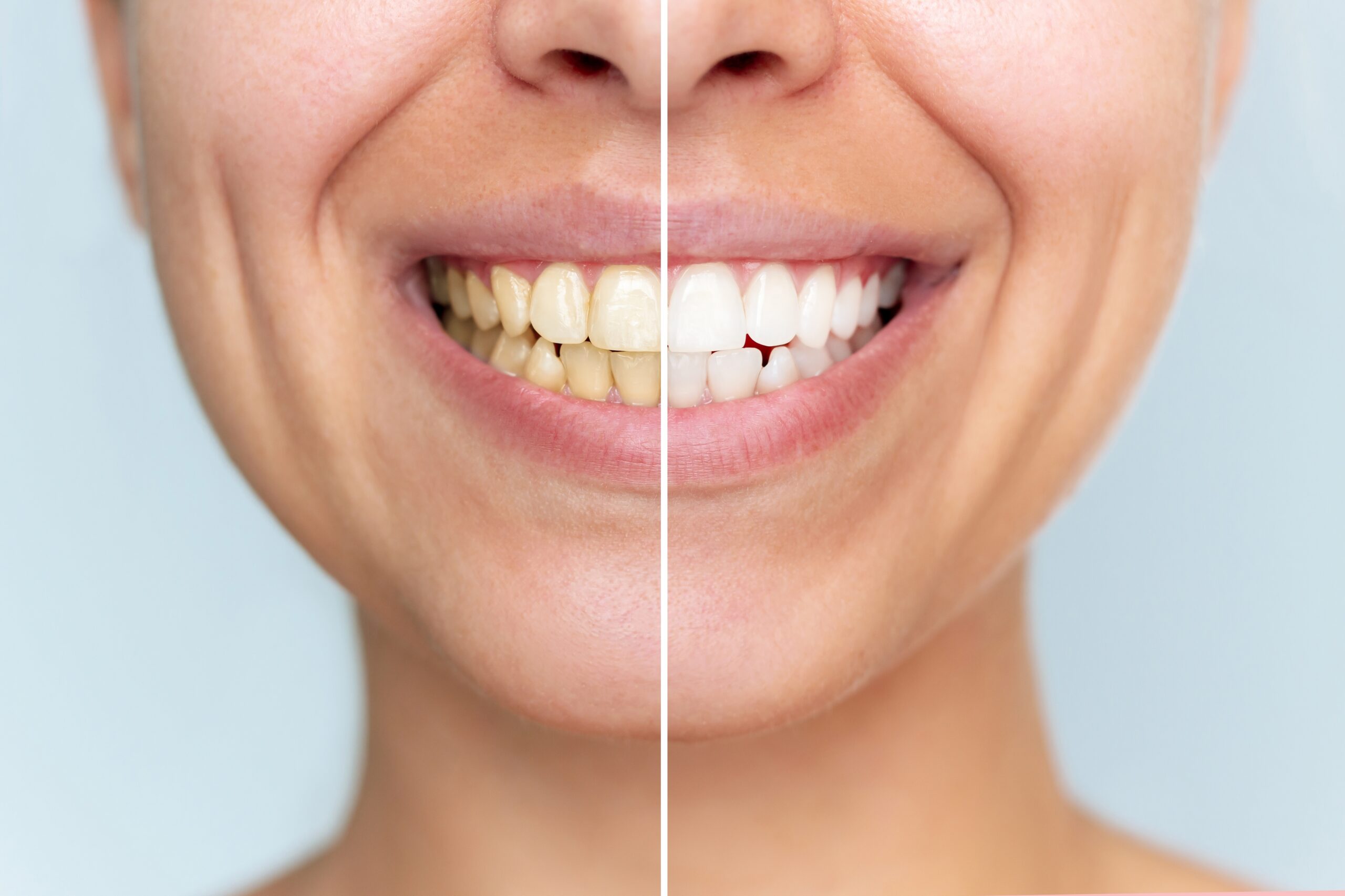
For the fastest, safest, and most dramatic results, in-office whitening is the premier choice. Performed under professional supervision at Experience Dentistry, this procedure delivers a noticeably whiter smile in a single visit, often in about an hour.
During an in-office treatment, a protective barrier is applied to your gums and lips. Then, a powerful, high-concentration whitening gel is carefully applied to your teeth. A special light may be used to accelerate the bleaching process, breaking down stubborn stains quickly and effectively. Because this treatment is managed by a dental professional, we can use a stronger agent than is available for at-home use, ensuring both safety and maximum effectiveness.
The Advantages of Professional Teeth Whitening
Choosing to whiten your teeth with a dental professional offers several key benefits that you simply cannot get from store-bought products.
- Safety and Comfort: A dentist will first examine your teeth and gums to ensure you are a good candidate for whitening. This prevents complications for those with sensitive teeth, receding gums, or existing dental restorations. During the procedure, your gums and soft tissues are protected from the strong bleaching agent, reducing the risk of irritation.
- Effectiveness and Speed: Professional-grade whitening agents are much more potent than their OTC counterparts. This means they can lift deeper, more stubborn stains and deliver dramatic results much faster. An in-office session can lighten your teeth by several shades in just one appointment.
- Customized Treatment: Your smile is unique. A professional treatment plan is tailored specifically to you. Whether it’s the custom-fit trays for at-home use or the precise application during an in-office procedure, the treatment is designed to meet your specific needs and whitening goals, ensuring even, beautiful results.
- Long-Lasting Results: While no whitening solution is permanent, the results from professional treatments last significantly longer than those from OTC products. With proper care and occasional touch-ups, you can enjoy your brighter smile for years to come.
Debunking Common Teeth Whitening Myths
Misinformation about teeth whitening can cause confusion and apprehension. Let’s clear up a few common myths.
Myth #1: Teeth whitening damages your enamel.
Fact: When performed correctly under professional supervision, teeth whitening is safe. The active ingredients, carbamide peroxide or hydrogen peroxide, open the pores in your enamel to lift stains. The enamel naturally remineralizes and rehydrates after the process.
Myth #2: Teeth whitening will make your teeth sensitive forever.
Fact: Tooth sensitivity is a possible, but temporary, side effect for some people. It usually subsides within a day or two after treatment. Your dentist can also recommend desensitizing products to use before or after the procedure to minimize discomfort.
Myth #3: Whitening works on all teeth, including crowns and veneers.
Fact: Whitening agents only work on natural tooth enamel. They will not change the color of dental restorations like crowns, veneers, or fillings. If you plan to get a crown or veneer, it’s best to whiten your natural teeth first so the restoration can be matched to your new, brighter shade.
Is Teeth Whitening Right for You?
The best way to achieve a whiter, more confident smile begins with a conversation. At Experience Dentistry, our team is dedicated to helping you reach your aesthetic goals safely and effectively. We can assess your oral health, discuss your expectations, and recommend the whitening solution that is perfectly suited for you.
A beautiful smile is within reach. Contact Experience Dentistry in Scranton, PA, today to schedule your consultation and discover the truth about professional teeth whitening.