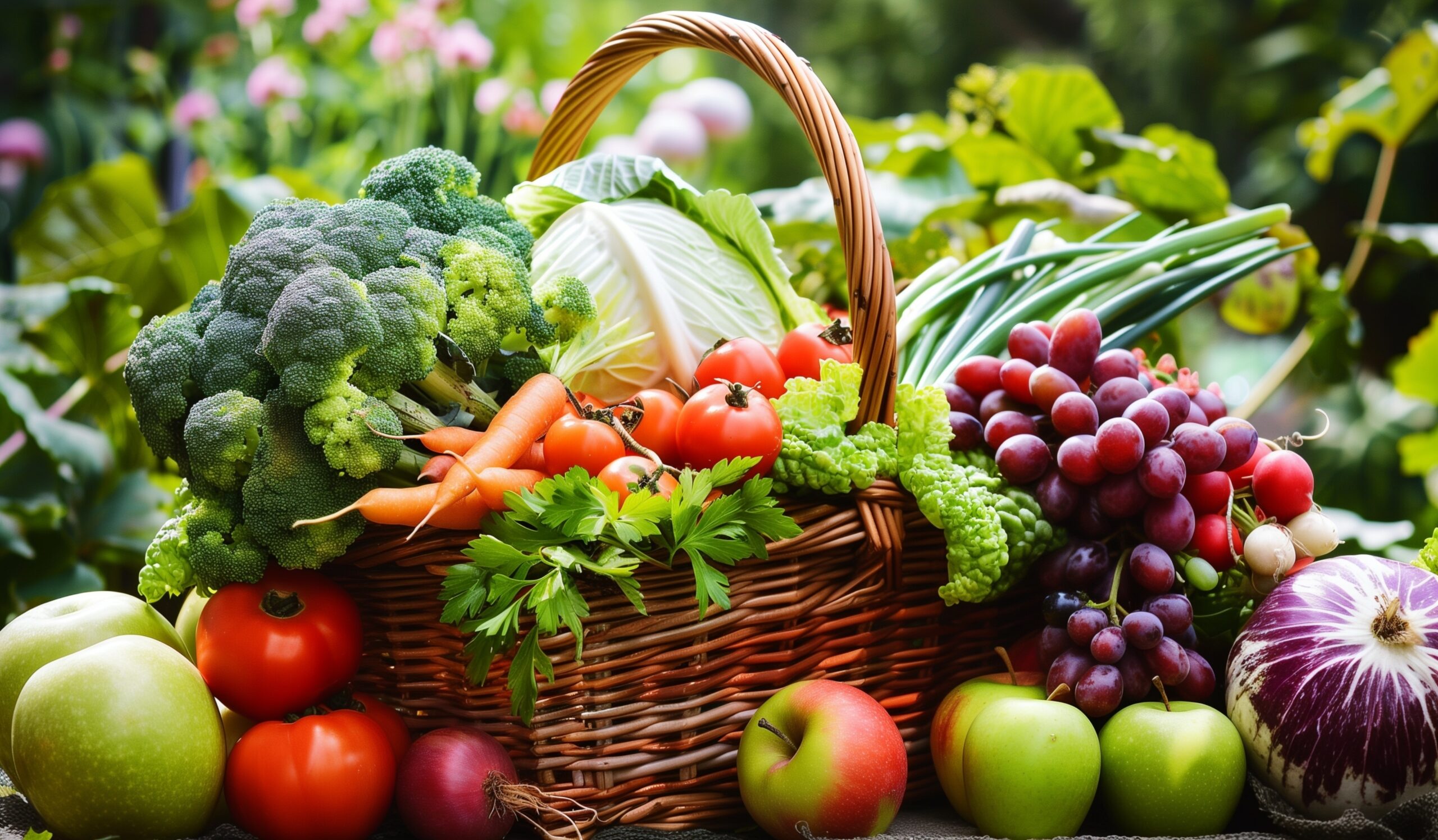
13 Surprising Foods That Clean and Strengthen Your Teeth
When most of us think about keeping our teeth healthy, our minds jump straight to the bathroom sink: brushing twice a day, flossing, and using mouthwash. While these habits are crucial, what you put on your plate is just as important as what you put on your toothbrush.
We all know that sugary snacks and sodas are villains in the story of dental health. But did you know there are heroes in the grocery aisle, too? Your diet plays a significant role in strengthening enamel, neutralizing acids, and fighting off the bacteria that cause decay.
Understanding which foods actively support your smile can transform your approach to oral hygiene. It turns every meal into an opportunity to boost your dental defense system. From crunchy snacks that act as natural scrubbers to dairy products that rebuild your enamel, here is a guide to good food for teeth that might just surprise you.
Nature’s Toothbrushes: Crunchy Vegetables
If you’re looking for a snack that works overtime, reach for the crisper drawer. Crunchy, fibrous vegetables like celery and carrots are often referred to as “nature’s toothbrushes,” and for good reason.
1. Celery
Celery might seem like it’s mostly water and strings, but that fibrous texture is exactly what makes it so beneficial. As you chew, the stalks break down into fibrous strands that naturally scrub your tooth surfaces. This mechanical action helps brush away food particles and plaque bacteria.
Furthermore, the vigorous chewing required to eat celery stimulates saliva production, which is your mouth’s first line of defense against acid and decay.
2. Carrots
Like celery, raw carrots are crunchy and full of fiber. Munching on a handful of baby carrots at the end of a meal increases saliva flow, which helps rinse away leftover food debris. They are also rich in Vitamin A, which is essential for maintaining healthy mucous membranes and gum tissue.
3. Leafy Greens
It’s no secret that salad greens are good for your waistline, but they are also fantastic for your gum line. Leafy greens like spinach and kale are low in calories but high in the vitamins and minerals necessary for oral health.
They are packed with calcium, which builds your enamel, and folic acid, a type of B vitamin that has numerous health benefits, including potentially treating gum disease in pregnant women. They also contain Vitamin K, which helps bone health and blood clotting—essential for healthy gums.
4. Onions
This might not be the best news for your breath, but it’s great news for your teeth. Raw onions contain powerful antibacterial sulfur compounds. In test tube studies, onions have been shown to kill various types of bacteria, including Streptococcus mutans, the main culprit behind tooth decay and gum disease. To get the benefit, they generally need to be eaten raw—perhaps atop a salad or a burger.
The Calcium Connection: Dairy Products
Your teeth are made of minerals, primarily calcium. Over time, acids from food and bacteria can strip these minerals away in a process called demineralization. Dairy products are powerhouse foods for reversing this process through remineralization.
5. Cheese
Cheese lovers, rejoice! Cheese is one of the best foods for healthy teeth. It is low in sugar and high in calcium and casein, a protein found in milk products that helps stabilize and repair tooth enamel. Additionally, chewing cheese increases the pH level in your mouth. A higher pH means less acidity, creating an environment where the bacteria that cause cavities struggle to survive.
6. Yogurt
Yogurt is another excellent source of calcium and phosphorus. Probiotic yogurts pack an extra punch by delivering beneficial bacteria that can crowd out the bad bacteria responsible for cavities and gum disease. Just be sure to choose plain, Greek, or sugar-free varieties, as added sugars can negate the benefits.
Mineral Powerhouses
For a convenient snack that shields your teeth, nuts are a smart choice. They provide a wealth of elements like calcium and phosphorus that are beneficial for healthy teeth.
7. Nuts
- Almonds: These are great for your teeth because they are a good source of calcium and zinc while being low in sugar.
- Brazil Nuts: These are incredibly high in phosphorus, a mineral that plays a vital role in the formation and maintenance of teeth and bones.
- Walnuts: Rich in fiber, folic acid, iron, thiamine, magnesium, niacin, Vitamin E, Vitamin B6, potassium, and zinc.
Because nuts require a lot of chewing, they also stimulate saliva production, helping to clean the mouth.
Sweet Surprises: Dark Chocolate and Cranberries
You rarely hear dentists recommending chocolate or sticky berries, but there are exceptions to every rule.
8. Dark Chocolate
Chocolate is usually enemy number one, but dark chocolate (70% cocoa or higher) is different. It contains a compound called CBH (cocoa bean husk extract) that has been shown to help harden tooth enamel.
Cocoa beans also contain tannins, polyphenols, and flavonoids, which are strong antioxidants that benefit your mouth and gums. The key here is moderation and low sugar content.
9. Cranberries
Cranberries contain polyphenols, which can keep plaque from sticking to teeth, thus lowering the risk of cavities. However, many dried cranberries sold in stores have a lot of added sugar. To get the dental benefits without the sugar shock, look for fresh cranberries or unsweetened varieties.
The Liquid Defense: Fluoridated Water and Green Tea
What you drink is just as impactful as what you eat.
10. Fluoridated Water
Water is, hands down, the best beverage for your teeth — especially if it’s fluoridated. Fluoride is a mineral that helps prevent cavities and can even reverse the early stages of tooth damage. Drinking water with fluoride is one of the easiest and most beneficial things you can do to prevent cavities.
11. Green Tea
Green tea contains complex compounds called catechins. These antioxidants can kill the bacteria in your mouth that turn sugar into plaque. By suppressing these bacteria, green tea also fights bad breath.
Saliva Stimulators: Sugar-Free Gum, Apples, and Pears
Saliva is crucial for oral health because it neutralizes tooth-damaging acids and contains calcium and phosphate.
12. Sugar-Free Gum with Xylitol
Chewing sugar-free gum stimulates saliva production, washing away food particles and neutralizing acids. Gum containing xylitol is especially effective. Xylitol is a natural sweetener that, unlike sugar, doesn’t fuel the bacteria that cause cavities. In fact, it can actively reduce the amount of decay-causing bacteria in your mouth.
13. Apples and Pears
While fruits do contain natural sugars, the water and fiber content in apples and pears balance this out. Eating an apple produces saliva in your mouth, which rinses away bacteria and food particles. Pears also have a significant acid-neutralizing effect on the tooth surface.
Making the Right Choice for Your Smile
Incorporating good food for teeth into your daily diet is a simple, effective way to bolster your oral hygiene routine. While a carrot stick can’t replace your toothbrush, it acts as a powerful ally throughout the day. By choosing foods that clean, remineralize, and protect, you are investing in a smile that looks great and stays healthy for years to come.
However, diet is just one piece of the puzzle. Regular checkups are vital to catch issues early and keep your oral health on track.
If you are looking for professional dental care to complement your healthy diet, or if it has been a while since your last cleaning, we are here to help. Schedule a consultation with Experience Dentistry in Scranton, Pennsylvania, today and give your smile the care it deserves.