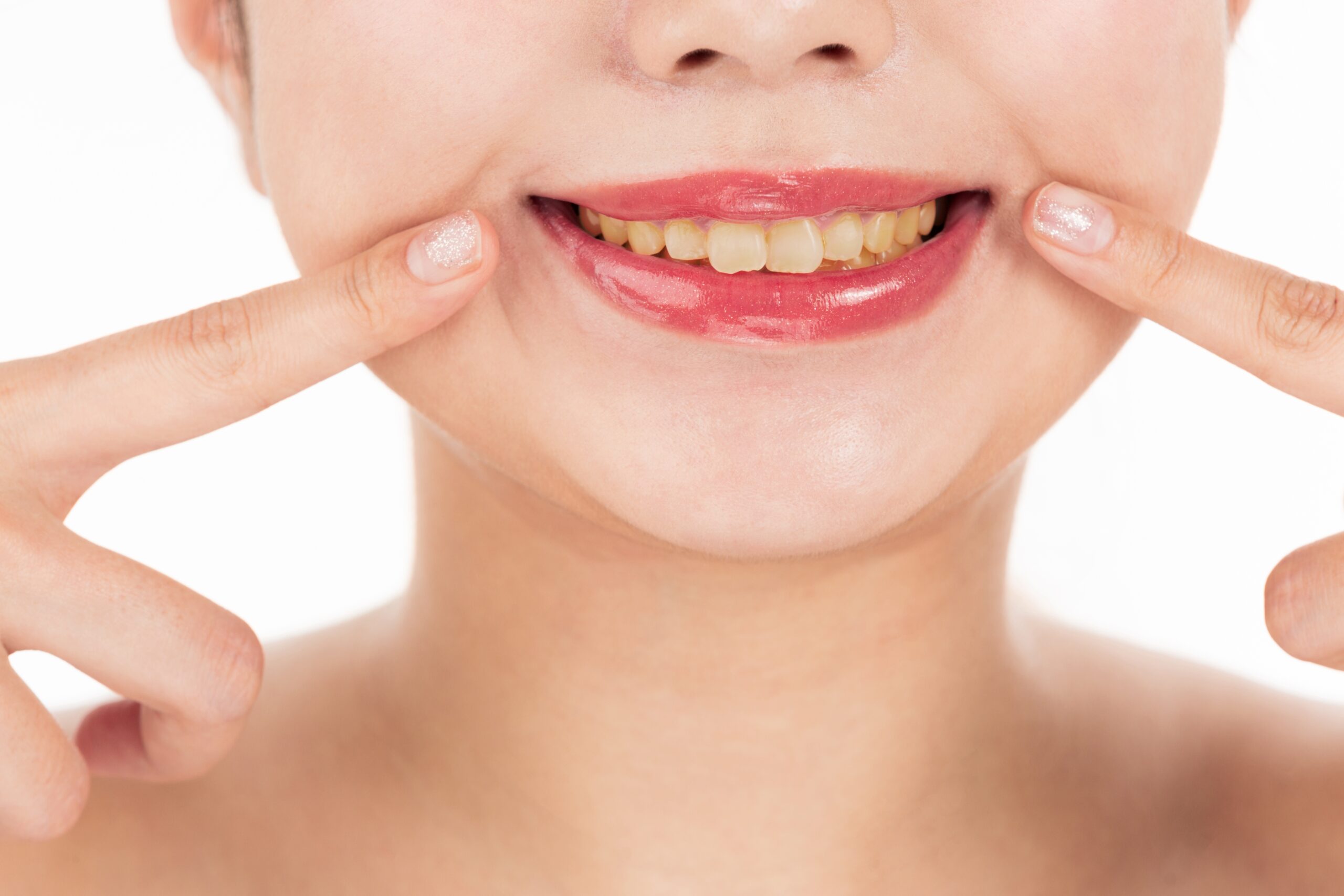
7 Causes For Teeth Staining: Foods, Aging, and More
A bright, white smile is often associated with health, confidence, and vitality. However, looking in the mirror and noticing yellow, brown, or gray spots can be discouraging. While many people assume discoloration is strictly due to poor brushing habits, the reality is much more complex.
At Experience Dentistry, we understand that identifying the root cause of discoloration is the first step toward reclaiming a brighter smile. Whether it stems from your morning ritual, medical history, or simply the passage of time, several factors contribute to teeth staining. Let’s explore why this happens and what causes your teeth to lose their natural luster.
Common Dietary Causes
Your diet plays a massive role in the appearance of your smile. It is often the most significant contributor to extrinsic stains, which are surface-level discolorations on the enamel.
1. Dark-Colored Foods and Drinks
If it can stain your carpet, it can likely stain your teeth. Beverages like coffee, tea, and red wine are famous for leaving their mark. These drinks contain intense color pigments called chromogens that attach to the white, outer part of your tooth. Additionally, tea and wine contain tannins, which make it easier for these pigments to stick to the enamel.
It isn’t just liquids, either. Dark berries (like blueberries and blackberries), soy sauce, and tomato-based sauces can also contribute to teeth staining over time.
Lifestyle and Hygiene Factors
Beyond what you eat, your daily habits significantly influence the brightness of your smile.
2. Tobacco Use
Tobacco is a major enemy of white teeth. Both smoking and chewing tobacco release tar and nicotine into the mouth. Tar is naturally dark, while nicotine creates a yellowish substance when mixed with oxygen. Over years of tobacco use, these tough stains can turn teeth yellow or even deep brown, making them difficult to remove with standard brushing alone.
3. Poor Oral Hygiene
Inadequate brushing and flossing are common causes of discoloration. When you skip your daily hygiene routine, plaque and food particles build up on the teeth. Over time, this plaque hardens into tartar, which often creates a yellow or brown appearance along the gumline. Consistent hygiene is your first line of defense against these surface stains.
Biological and Medical Factors
Sometimes, tooth stains occur despite your best efforts to brush and floss. These are often intrinsic stains, meaning the discoloration happens within the inner structure of the tooth (the dentin).
4. Aging
As we get older, the outer layer of enamel on our teeth naturally gets worn away. This reveals the dentin underneath, which is naturally yellower than enamel. This type of discoloration is a normal part of the aging process.
5. Medications
Surprisingly, certain prescriptions can affect tooth color. Antibiotics like tetracycline and doxycycline are known to discolor teeth in children whose teeth are still developing. In adults, certain antihistamines, antipsychotics, and medications for high blood pressure have been linked to staining.
6. Trauma and Medical Treatments
Physical trauma to a tooth — such as a fall or sports injury — can damage the nerve inside. This often causes the tooth to darken, turning grey, brown, or black as a reaction to the injury. Furthermore, serious medical treatments like chemotherapy and head and neck radiation can result in teeth staining.
7. Excessive Fluoride
While fluoride is essential for preventing cavities, too much of it during childhood can lead to fluorosis. This condition arises from high fluoride levels in water or excessive use of supplements and rinses. It typically manifests as white spots or streaks on the teeth rather than yellowing.
Restore Your Smile with Experience Dentistry
While some discoloration is inevitable, you do not have to settle for a smile you aren’t proud of. Understanding whether your stains are caused by your morning coffee or a medical condition helps determine the best path forward.
If you are concerned about the color of your teeth, contact Experience Dentistry to schedule a consultation. We can assess the type of staining you have and recommend a professional treatment plan tailored to your needs.