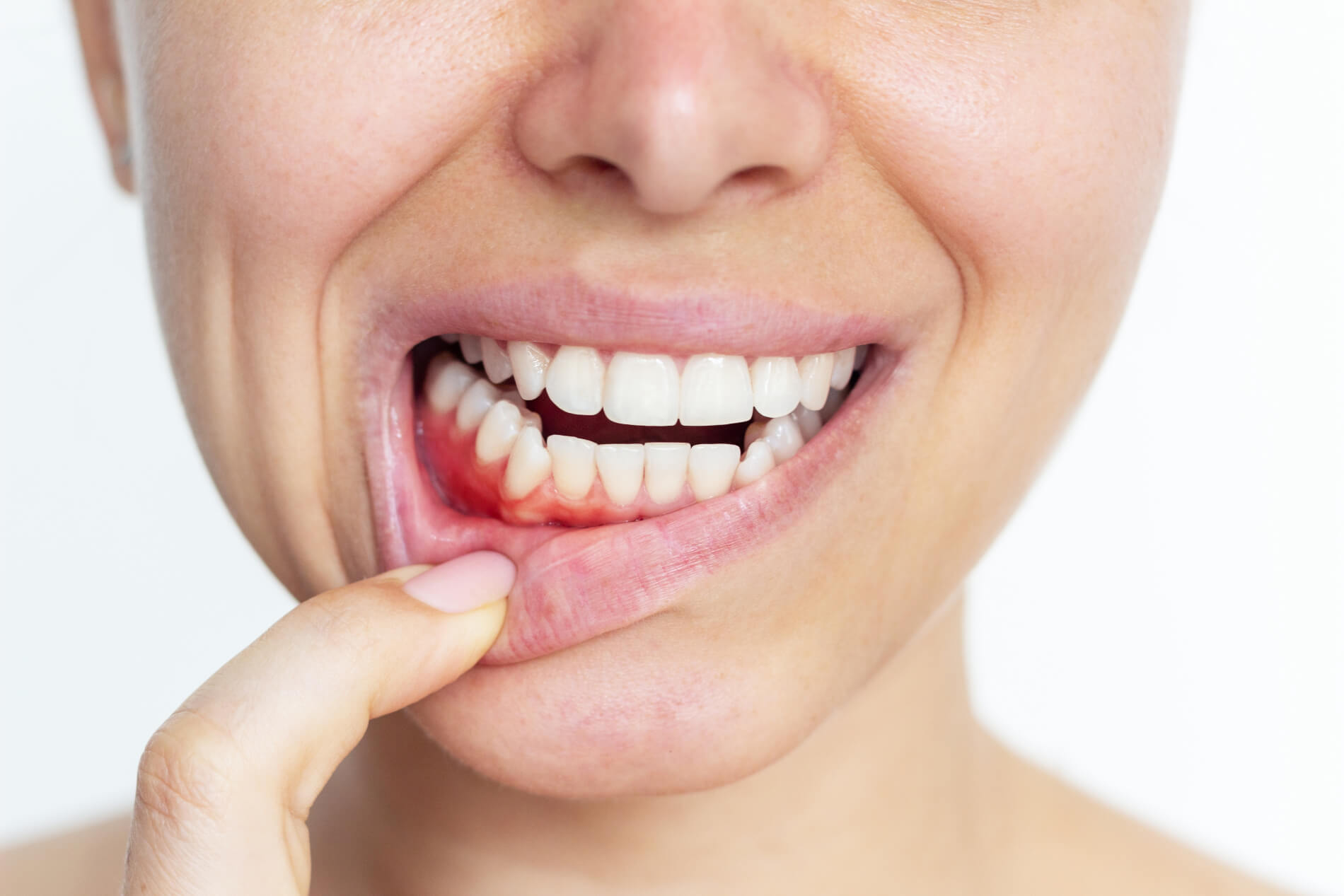
What is Gum Disease? Causes, Symptoms & Treatment Guide
Gum disease affects nearly half of all adults over 30, yet many people don’t realize they have it until significant damage has already occurred. This silent threat to your oral health can progress from mild inflammation to serious infection, potentially leading to tooth loss if left untreated.
Understanding gum disease — its causes, symptoms, and treatments — is essential for maintaining a healthy smile throughout your life. The good news? Early detection and proper care can prevent or even reverse the damage, protecting both your teeth and your overall health.
At Experience Dentistry, we believe prevention is the best medicine. Our comprehensive approach to general and preventative dentistry helps families maintain optimal oral health while creating a comfortable, personalized experience for every patient.
What is Gum Disease?
Gum disease is a bacterial infection that targets the tissues surrounding your teeth. It begins when plaque — a sticky film of bacteria — builds up along the gum line and hardens into tartar.
The disease progresses through two main stages:
- Gingivitis represents the early, reversible stage. Your gums become red, swollen, and may bleed during brushing or flossing. At this point, the infection hasn’t yet damaged the bone and connective tissues holding your teeth in place.
- Periodontitis is the advanced form where inflammation spreads deeper, breaking down the bone and connective tissues that support your teeth. This stage can result in loose teeth, tooth loss and requires professional intervention to manage.
Recognizing Gum Disease Symptoms
Gum disease symptoms can be subtle, which is why regular dental checkups are crucial for early detection. Early warning signs include:
- Red, swollen, or tender gums
- Bleeding when brushing or flossing
- Persistent bad breath
- Gums that feel soft or spongy
As the condition progresses, you might notice:
- Gums pulling away from teeth, creating pockets
- Loose or shifting teeth
- Painful chewing
- Changes in how your teeth fit together when you bite
- Pus between gums and teeth
The tricky aspect of gum disease is that it can be painless, especially in its early stages. Many people assume their gums are healthy simply because they don’t hurt, but silent progression is common.
Understanding Gum Disease Causes
Poor oral hygiene stands as the most common cause of gum disease. When you don’t brush and floss regularly, plaque accumulates and hardens into tartar, which can only be removed through professional cleaning.
Several other factors increase your risk:
- Lifestyle factors like smoking significantly elevate your chances of developing gum disease and make treatment less effective. Tobacco use impairs blood flow to the gums, making it harder for tissues to heal.
- Genetics plays a role — some people are simply more susceptible to gum disease regardless of their oral hygiene habits.
- Medical conditions such as diabetes, Crohn’s disease, and rheumatoid arthritis can compromise your immune system’s ability to fight off infections, including those affecting your gums.
- Medications that reduce saliva production can contribute to plaque buildup, while poor nutrition weakens your body’s infection-fighting capabilities.
Effective Gum Disease Treatments
Gum disease treatments vary depending on the stage and severity of your condition. For gingivitis, improved home care combined with professional cleaning can often reverse the damage completely. This includes more thorough brushing with fluoride toothpaste, daily flossing, and regular dental visits.
Advanced periodontitis requires more intensive intervention:
- Deep cleaning (scaling and root planing) removes bacteria and tartar from below the gum line and smooths rough spots on tooth roots where bacteria tend to gather.
- Pocket reduction surgery may be necessary when deep pockets have formed between your gums and teeth, making it impossible to clean effectively with regular brushing and flossing.
In severe cases, bone or gum grafting can help regenerate lost tissue and provide better support for your teeth.
Take Action for Your Oral Health
Gum disease doesn’t have to compromise your smile or your health. With proper care and professional guidance, you can prevent, treat, and even reverse this common condition.
Don’t wait for symptoms to appear — gum disease often progresses silently. Schedule a dental checkup today to assess your gum health and develop a personalized prevention plan.
At Experience Dentistry, we practice all aspects of general and preventative dentistry for the entire family. We’re committed to providing the best local dental care with an exceptional experience throughout your appointment. Have a favorite song that helps you relax? Let us know, and we’ll have it ready for your visit.