Signs You Might Need a Root Canal (and Why It’s Not as Scary as It Sounds)
Nobody wants to hear they need a root canal, but recognizing the warning signs early can save your tooth and prevent more serious complications. Root canals have gotten a bad reputation over the years, but they’re actually one of the most effective ways to preserve your natural teeth and eliminate pain caused by infection or damage.
Your teeth are more resilient than you might think, but when decay or trauma reaches the inner pulp — the soft tissue containing nerves and blood vessels — your body sends clear distress signals. Ignoring these symptoms won’t make them go away. Instead, the infection can spread, leading to tooth loss or even systemic health issues.
Understanding what your body is telling you is the first step toward getting the care you need. Here are the key root canal symptoms to watch for and why addressing them promptly matters from the dental professionals at Experience Dentistry.
What is a Root Canal and Why Is It Necessary?
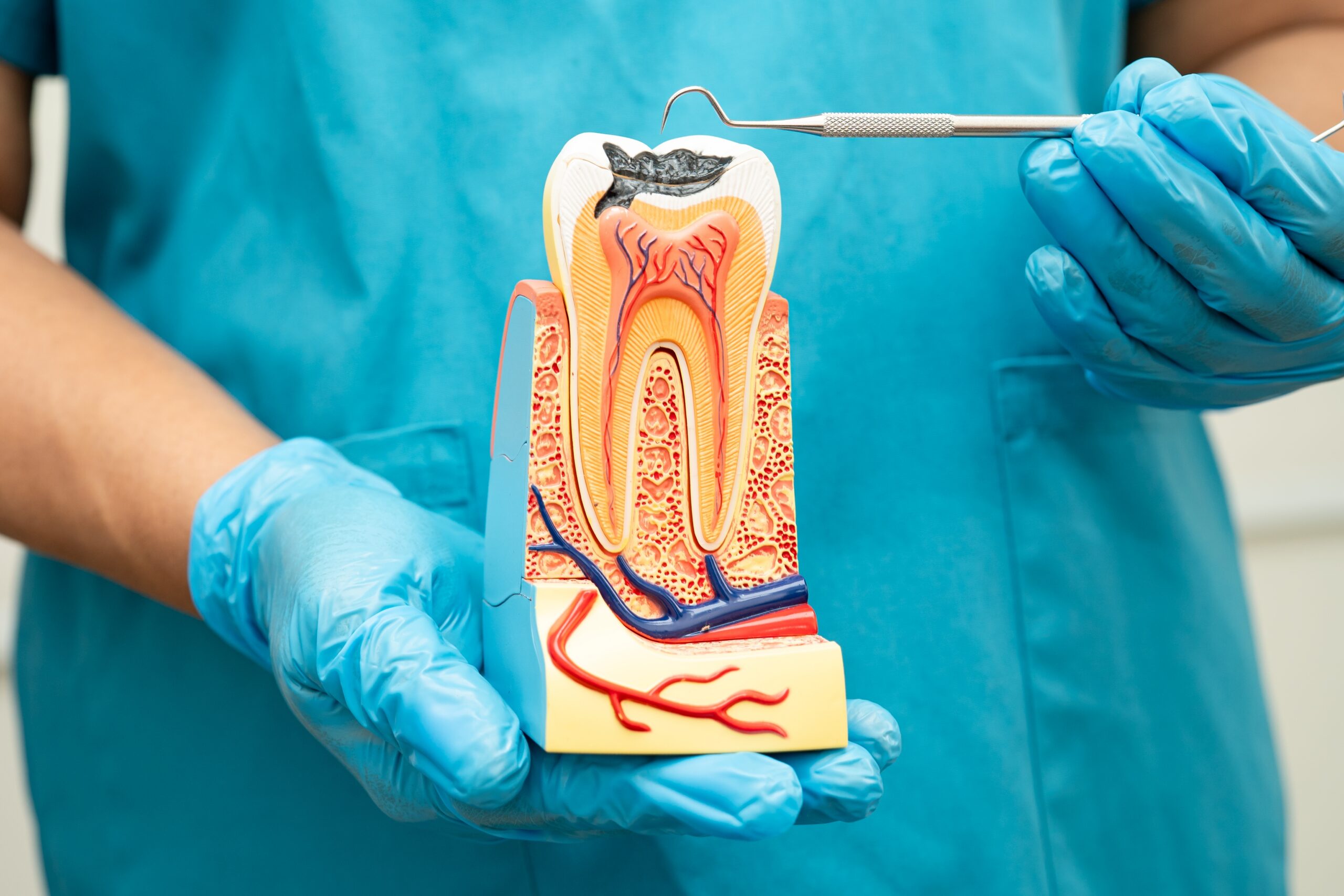
A root canal is a dental procedure that removes infected or damaged pulp from inside your tooth. The pulp sits in the center of your tooth, running from the crown down through the roots. When bacteria invade this area — usually through deep decay, cracks, or repeated dental work — the pulp becomes inflamed and infected.
Without treatment, this infection can destroy the bone around the tooth and create an abscess. Root canals clean out the infection, seal the tooth, and often save it from extraction. Despite their intimidating reputation, modern root canals are relatively comfortable and highly effective at preserving your smile.
1. Persistent Pain When Chewing or Applying Pressure
One of the most telling signs you might need a root canal is ongoing pain when you bite down or chew. This isn’t the occasional twinge from a sensitive tooth — it’s a deep, throbbing discomfort that doesn’t go away.
The pain may feel like it’s coming from within the tooth itself, radiating through the jawbone. It often worsens with pressure, making meals uncomfortable or even impossible. This type of pain signals that the pulp inside your tooth is inflamed or infected, and it needs professional attention.
2. Sensitivity to Hot and Cold That Lingers
Do you wince when sipping hot coffee or eating ice cream? While brief sensitivity is common, prolonged discomfort is a red flag. If the pain continues for 30 to 60 seconds or longer after the temperature change, it could mean the pulp is damaged.
Healthy teeth may react momentarily to extreme temperatures, but the sensation should fade quickly. When sensitivity lingers, it suggests the nerves inside your tooth are compromised. This symptom shouldn’t be brushed off as a minor irritation — it’s your tooth asking for help.
3. Swollen, Tender, or Red Gums
Gum inflammation near a specific tooth is another warning sign. You might notice puffiness, tenderness when you touch the area, or a persistent red appearance. Sometimes, a small bump resembling a pimple — called a fistula (or draining sinus tract) — appears on the gum near the affected tooth.
This bump is your body’s way of draining infection from the tooth’s root. While it may come and go, its presence confirms that bacteria have taken hold. Gum symptoms like these indicate that the infection has spread beyond the tooth itself, making prompt treatment essential.
4. Tooth Discoloration
A tooth that has turned grey, dark, or black is often a sign that the pulp inside has died. This discoloration happens when the internal tissue breaks down, and it’s usually accompanied by other symptoms like pain or sensitivity.
Discoloration won’t improve on its own, and it’s a clear indicator that the tooth’s health is compromised. While not all discolored teeth require root canals, it’s important to have a dentist evaluate the cause and recommend appropriate treatment.
5. Cracked or Chipped Teeth
A severely cracked or chipped tooth can expose the pulp to bacteria, leading to infection. Even if the damage seems minor on the surface, it can create a pathway for harmful microbes to infiltrate the tooth’s interior.
If you’ve experienced dental trauma — whether from an accident, biting down on something hard, or grinding your teeth — pay attention to any pain or sensitivity that follows. Cracks aren’t always visible, but your dentist can assess the extent of the damage with an exam and X-rays.
6. Why Root Canal Symptoms Shouldn’t Be Ignored
Delaying treatment for root canal symptoms can lead to serious consequences. An untreated infection doesn’t just stay in one place — it can spread to surrounding bone and tissue, causing abscesses and even tooth loss.
Beyond the risk to your oral health, untreated dental infections can affect your overall well-being. Bacteria from an abscess can enter your bloodstream, potentially leading to complications in other parts of your body. Acting quickly when you notice symptoms protects both your tooth and your health.
How Experience Dentistry Diagnoses the Need for a Root Canal
At Experience Dentistry, we use a comprehensive approach to determine whether you need a root canal. The process starts with a thorough exam, where we evaluate your symptoms and check for visible signs of infection or damage.
X-rays play a crucial role in diagnosis, allowing us to see what’s happening beneath the surface. We can assess the health of the pulp, identify abscesses, and determine the extent of any bone loss. Based on these findings, we’ll recommend the best course of action to restore your tooth and relieve your pain.
Take Control of Your Dental Health
Recognizing the signs of a root canal early gives you the best chance of saving your tooth and avoiding more invasive treatments. Persistent pain, lingering sensitivity, gum swelling, discoloration, and cracks are all signals that shouldn’t be ignored.
Your dental health is too important to put on hold. If you’re experiencing any of these symptoms, don’t wait for them to worsen. Schedule a consultation with Experience Dentistry today, and let our team provide the expert care you deserve. We’re here to help you protect your smile and get back to feeling your best.