How to Choose the Right Toothbrush and Toothpaste For Your Needs
Taking care of your teeth is one of the most important things you can do for your overall health. A good daily brushing routine prevents cavities, keeps your gums healthy, and gives you a bright smile. However, walking down the dental care aisle can be overwhelming. There are countless options available, making it difficult to know exactly what to buy.
At Experience Dentistry, we understand how confusing this can be. We spend a lot of time helping our patients build the perfect at-home dental routine. Finding the right tools is the first step to achieving a healthy, pain-free mouth.
We’ll break down the different options available to you. You will learn about the various types of toothbrushes and types of toothpaste on the market. By the end of this post, you will know exactly what to look for during your next trip to the store.
Understanding Types of Toothbrushes
When it comes to brushing, the tool you use matters. There are several main categories to consider.
Manual vs. Electric Toothbrushes
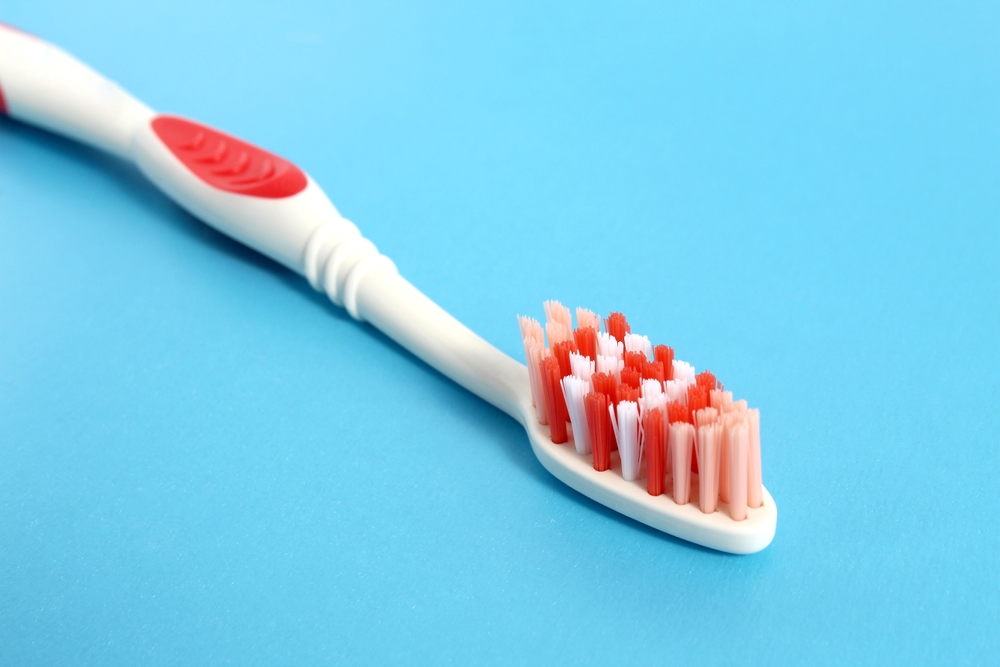
The manual toothbrush is the traditional, most common option. It features a plastic handle and nylon bristles. Manual brushes require physical motion to clean your teeth. They are highly effective when used with the proper technique.
Electric or powered toothbrushes use a motor to create movement. They often remove more plaque and require less physical effort, which is great for people with limited dexterity. The main types include:
- Rotating/Oscillating: The bristles move in a quick circular motion.
- Sonic: These brushes vibrate at high speeds to break up plaque.
- Ultrasonic: These use extremely high-frequency vibrations for an intense clean.
- Battery-Powered: These are compact and typically used for travel.
Specialized and Sustainable Brushes
Sometimes, a standard brush is not enough. Specialty brushes help with specific dental needs.
- Interdental/Proxy Brush: These are small, disposable brushes designed to clean between teeth. They are especially helpful if you have braces or dental bridges.
- Sulcabrush/End-Tuft: These feature a pointed, small, round head. They are specifically designed for cleaning along the gum line and between crowded teeth.
- Sustainable Options: If you want an eco-friendly alternative, look for bamboo or biodegradable toothbrushes.
Key Toothbrush Features
No matter which model you choose, there are a few features you should always look for to protect your teeth.
Soft Bristles are Essential
Always choose a brush with soft or extra-soft bristles. Hard bristles can cause significant damage. They wear away your protective tooth enamel and cause your gums to recede. Soft, end-rounded bristles clean effectively without causing abrasion.
Head Size and Handle Design
Size and shape play a big role in how well you can clean your mouth. A compact, small-to-medium head is generally better than a full-sized head. Smaller heads easily reach the back molars and clean all areas of the mouth comfortably.
Additionally, consider the handle design. A non-slip, flexible, or contra-angle handle can improve your grip and maneuverability. Children often require smaller brush heads, while seniors often benefit from ergonomic handles that are easier to hold. Always look for the American Dental Association (ADA) Seal of Acceptance to ensure the brush is safe and effective.
Choosing the Right Toothpaste
Just like brushes, there are many types of toothpaste available. The right paste will protect your teeth and keep your breath fresh.
The Importance of Fluoride
Fluoride is essential. You should always ensure your toothpaste contains fluoride. This mineral strengthens your tooth enamel and is highly effective at preventing cavities. Look for the ADA Seal on the packaging to confirm the product has been tested for safety and effectiveness.
Addressing Specific Needs
Many people have specific oral health concerns. You can find specialized formulas to help.
- Sensitivity: If hot or cold foods cause pain, choose a toothpaste designed for sensitive teeth, such as Sensodyne. These provide specialized relief by blocking pain signals.
- Gum Health: If your gums bleed easily, choose an anti-gingivitis formula to reduce inflammation.
- Whitening and Abrasives: Be careful with whitening pastes. You want options with lower abrasion. Be cautious with highly abrasive products, including some charcoal toothpastes. Charcoal can be too harsh and may permanently damage your enamel over time.
Maintenance and Storage Tips
Your dental tools need proper care to work effectively. You must replace your toothbrush every three months. You should also replace it sooner if the bristles start to look frayed or bent. Frayed bristles cannot clean your teeth properly.
Store your toothbrush in an upright position. Let it air dry completely between uses. Storing a wet brush in a closed container promotes bacterial growth.
Upgrade Your Oral Care Routine Today
Choosing the right dental products does not have to be a guessing game. By selecting a soft-bristled, compact toothbrush and a fluoride toothpaste with the ADA Seal, you are setting yourself up for success. Remember to avoid harsh abrasives and replace your brush regularly.
If you have questions about your specific dental needs, we are here to help. Contact Experience Dentistry today to schedule an appointment. We can offer personalized recommendations based on your unique oral health status and help you maintain a beautiful smile.