How to Protect Your Teeth If You Grind Them at Night
Do you wake up with jaw pain, headaches, or sore teeth? You might be grinding your teeth while you sleep. Teeth grinding, medically known as bruxism, affects millions of Americans — children and adults – and it’s particularly common here in Northeastern Pennsylvania, where stress from daily life can contribute to this nighttime habit.
The good news? You don’t have to let teeth grinding damage your smile. With the right strategies and protective measures, you can safeguard your teeth and wake up feeling refreshed instead of sore. Experience Dentistry will walk you through everything you need to know about protecting your teeth from nighttime grinding, from understanding the problem to implementing practical solutions that work.
Whether you’ve just discovered you grind your teeth or you’ve been dealing with this issue for years, the strategies outlined below can help preserve your dental health and improve your quality of sleep.
Understanding Teeth Grinding
Teeth grinding occurs when you unconsciously clench or grind your teeth, typically during sleep. This condition affects people of all ages, though many don’t realize they’re doing it until they notice symptoms or a partner mentions the grinding sounds.
Several factors can trigger nighttime teeth grinding. Stress remains the most common culprit — when your mind races with worries about work, family, or finances, your jaw muscles may remain tense even during sleep. Sleep disorders like sleep apnea can also contribute to bruxism, as can certain medications, excessive caffeine consumption, and even genetics.
The symptoms of teeth grinding extend beyond just worn-down teeth. Many people experience morning headaches that stem from the tension in their jaw muscles. You might notice pain or stiffness in your jaw joint, earaches without an ear infection, or increased tooth sensitivity. Some people develop indentations on their tongue or inside their cheeks from the pressure. If left untreated, these symptoms typically worsen over time.
Why You Need to Protect Your Teeth
The consequences of untreated teeth grinding can be serious and expensive to repair. When you grind your teeth regularly, you gradually wear down the protective enamel that covers your teeth. This enamel doesn’t regenerate, so once it’s gone, it’s gone forever.
As the grinding continues, you might notice your teeth becoming shorter, developing chips or cracks, or becoming increasingly sensitive to hot and cold foods. In severe cases, grinding can damage dental work like fillings, crowns, or bridges, requiring costly replacements.
Beyond tooth damage, chronic teeth grinding can lead to temporomandibular joint (TMJ) disorders. These conditions affect the joints that connect your jaw to your skull, causing pain that can radiate to your neck, shoulders, and even down your arms. TMJ disorders can make simple activities like eating and talking uncomfortable.
The financial impact adds up quickly. Replacing worn enamel often requires crowns, which can cost hundreds or thousands of dollars per tooth. Treating TMJ disorders may involve physical therapy, specialized appliances, or even surgery in severe cases.
How to Protect Your Teeth
1. Use a Nightguard
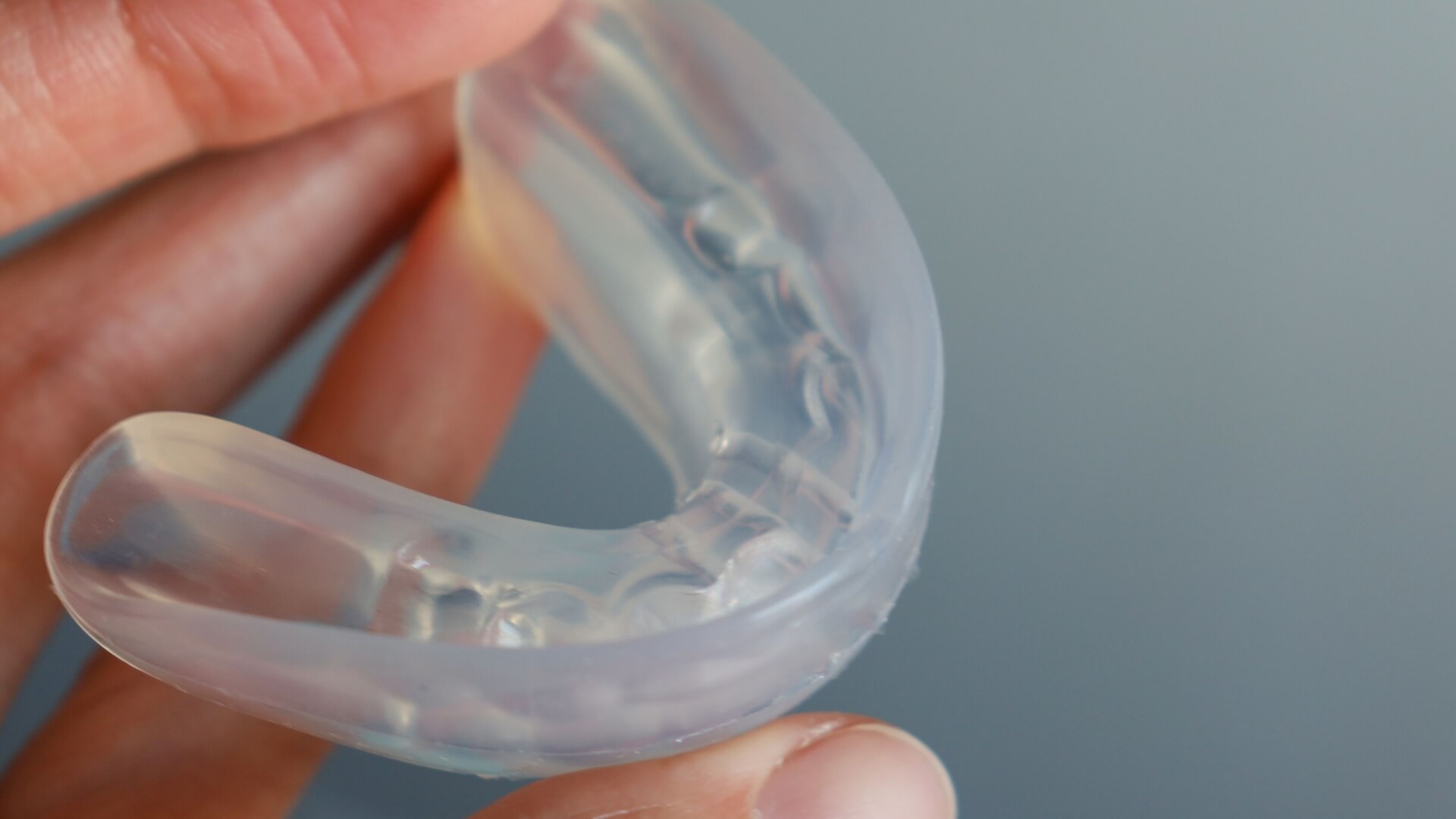
A nightguard serves as your teeth’s first line of defense against grinding damage. This dental appliance creates a physical barrier between your upper and lower teeth, absorbing the force of grinding and preventing direct tooth-on-tooth contact.
Nightguards come in several varieties. Soft nightguards work well for mild grinding and feel more comfortable initially. Dual-laminate guards feature a soft interior for comfort and a hard exterior for durability. Hard acrylic nightguards offer the most protection for severe grinding, but may take longer to adjust to.
You can purchase over-the-counter nightguards at most pharmacies, but custom-fitted options from your dentist typically provide better protection and comfort. A custom nightguard fits precisely to your teeth, stays in place better during sleep, and distributes grinding forces more evenly.
To use a nightguard effectively, clean it thoroughly before and after each use with cool water and a soft toothbrush. Store it in its protective case during the day, and replace it when you notice signs of wear or if it no longer fits properly.
2. Manage Stress Effectively
Since stress often triggers teeth grinding, developing healthy stress management techniques can significantly reduce nighttime grinding episodes.
Create a relaxing bedtime routine that helps your mind and body unwind. Try meditation, even just five to ten minutes before bed. Listen to calming music, take a warm bath, or practice gentle yoga stretches. These activities signal to your nervous system that it’s time to relax.
Physical tension relief can also help. Apply a warm compress or heating pad to your jaw area for 10-15 minutes before bed to relax tense muscles. Gently massage your jaw joints and the muscles around your temples.
Consider sipping warm, caffeine-free herbal tea like chamomile or passionflower in the evening. These herbs have natural calming properties that may help reduce both stress and muscle tension.
3. Make Smart Lifestyle Adjustments
Your evening habits can significantly impact whether you grind your teeth at night. Avoid consuming caffeine or alcohol several hours before bedtime, as both substances can interfere with sleep quality and increase the likelihood of teeth grinding.
If you smoke, consider quitting. Nicotine is a stimulant that can contribute to teeth grinding, and smoking also affects your overall oral health. Talk to your healthcare provider about smoking cessation resources and support.
Prioritize good sleep hygiene. Maintain a consistent sleep schedule, create a comfortable sleep environment, and limit screen time before bed. Quality sleep reduces stress and helps your jaw muscles relax naturally.
4. Seek Professional Dental Care
Regular dental check-ups allow our team to monitor signs of teeth grinding and catch problems early. During these visits, we can examine your teeth for wear patterns, check your jaw joints, and assess whether your current protective measures are working effectively.
Custom-fitted mouthguards from our dentist offer superior protection compared to over-the-counter options. We take precise impressions of your teeth to create a guard that fits perfectly, providing maximum comfort and protection. While custom guards cost more initially, they typically last longer and work more effectively than generic alternatives.
In some cases, your dentist might recommend additional treatments. These could include jaw orthotics designed to reposition your jaw, physical therapy to improve jaw function, or muscle relaxants for severe cases. If sleep disorders contribute to your grinding, your dentist might refer you for a sleep evaluation.
Take Action to Protect Your Smile
Protecting your teeth from nighttime grinding doesn’t have to be complicated, but it does require consistent effort and the right approach for your specific situation. Start with a nightguard — whether over-the-counter or custom-fitted — and incorporate stress management techniques into your daily routine.
Remember that teeth grinding often worsens over time if left untreated. The earlier you take action, the more likely you are to prevent serious damage and avoid costly dental repairs down the road.
Don’t wait until you notice significant tooth damage or develop painful TMJ symptoms. Your teeth and jaw joints deserve protection, and you deserve to wake up feeling comfortable and rested.
Have Questions, Suggestions, or Interested in Making an Appointment?
At Experience Dentistry, we practice all aspects of general and preventative dentistry for the whole family. If you’re looking for the best local dentist and the best experience throughout your appointment, we’ve got you covered! Got a favorite song that relaxes you? Let us know, and we’ll have it ready for your visit. Contact us today to discuss your teeth grinding concerns and explore the best protection options for your smile.